2020 Issue
Features
In This Section
5 stories-
Fractured World
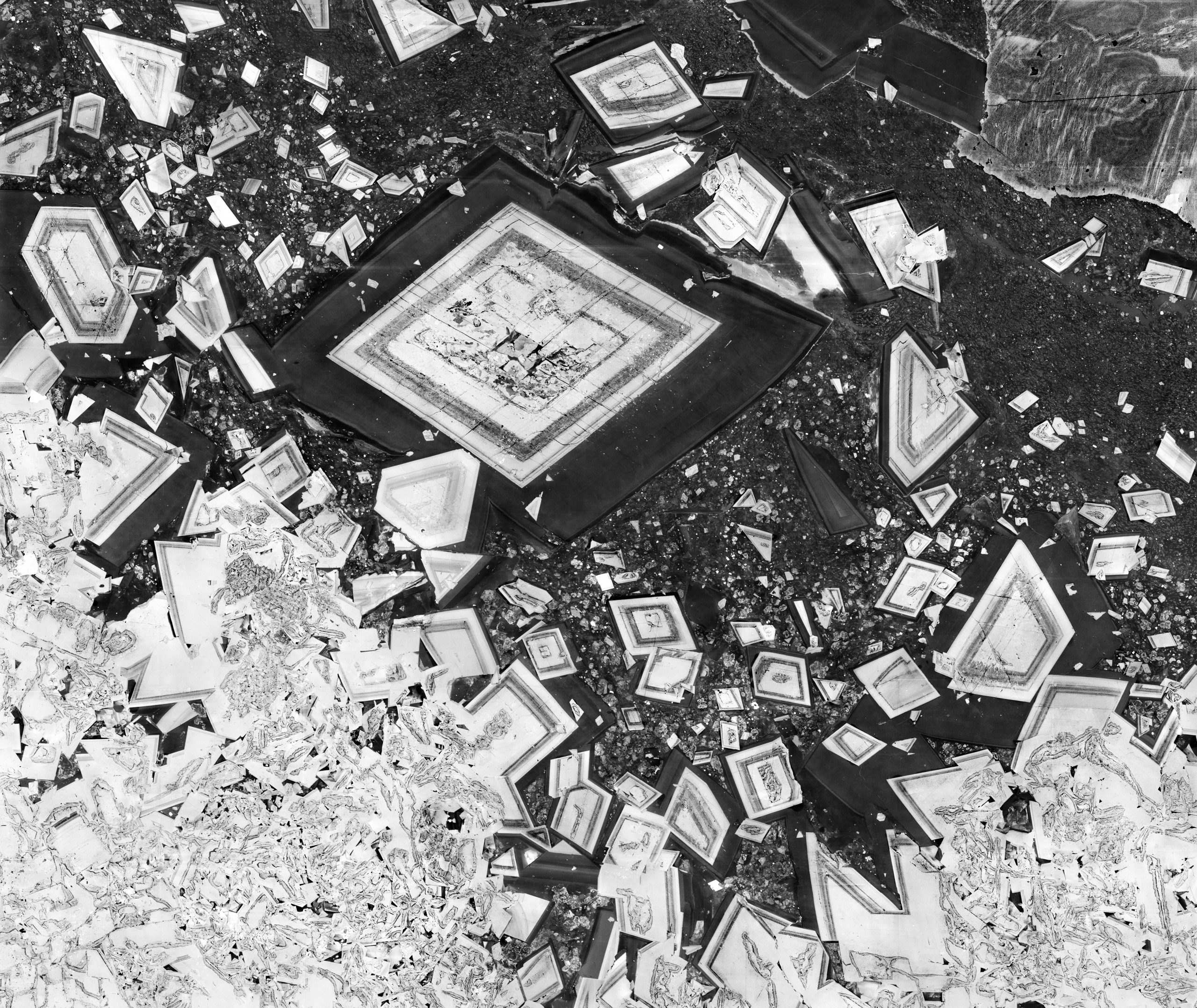
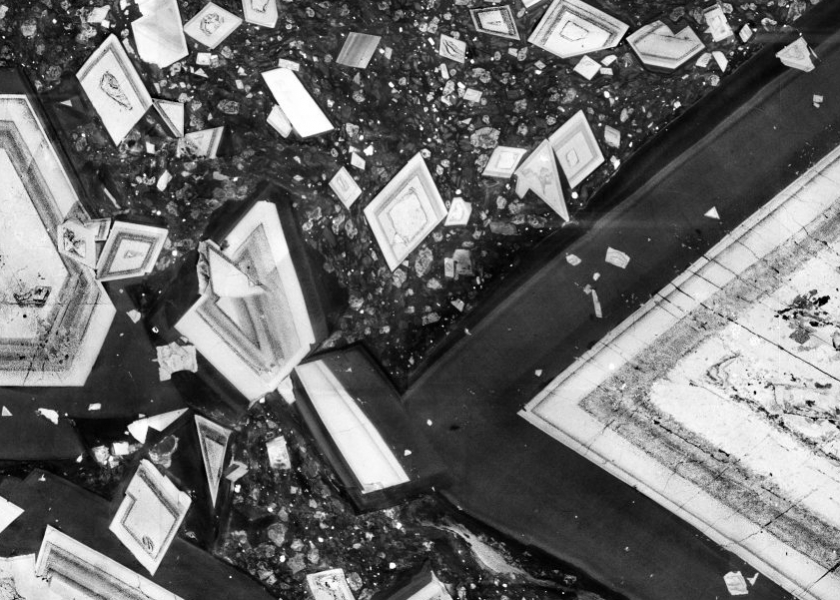
Fractures are ubiquitous and vitally important to nearly everything that happens in the subsurface, yet they are not well understood. Researchers are working to change that by looking at the crystals that form inside fractures. -
Increasing Diversity in Geosciences
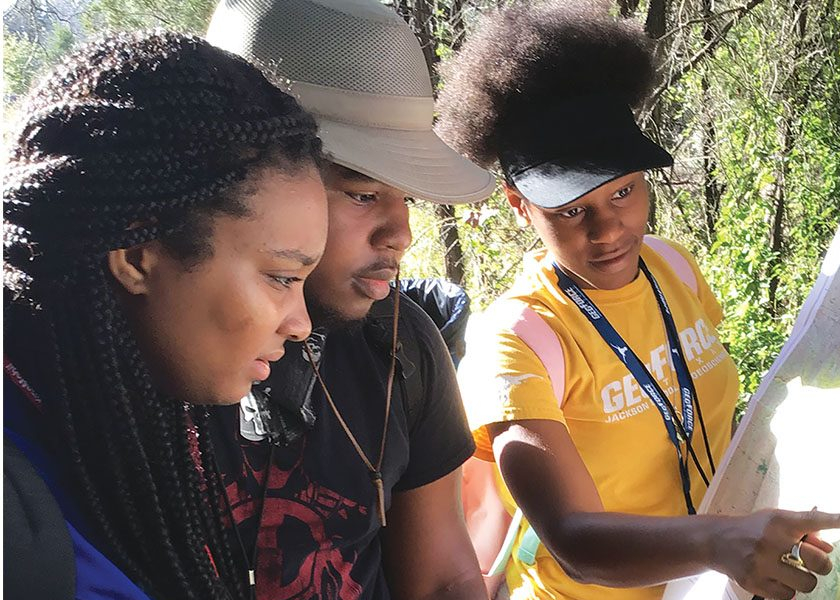
There’s a good chance you would recognize Jackson School of Geosciences alumnus Tim Shin even if you’ve never met him. That’s because Shin’s face is on the cover of an undergraduate brochure that the school used for years to recruit students. On the brochure, Shin is smiling as he looks up from a stack of papers. His undergraduate adviser, Department of Geological Sciences Associate Professor Elizabeth Catlos, is pictured beside him, leaning over his shoulder. With his face front and center on that brochure, Shin represents the school. But the truth is that he is far from representative of the school. That’s because Shin is Black, and, put simply, most people in the Jackson School — and in the geosciences as a whole — are white. -
Face masks, Zoom and Geosciences: How the Jackson School is Handling COVID-19
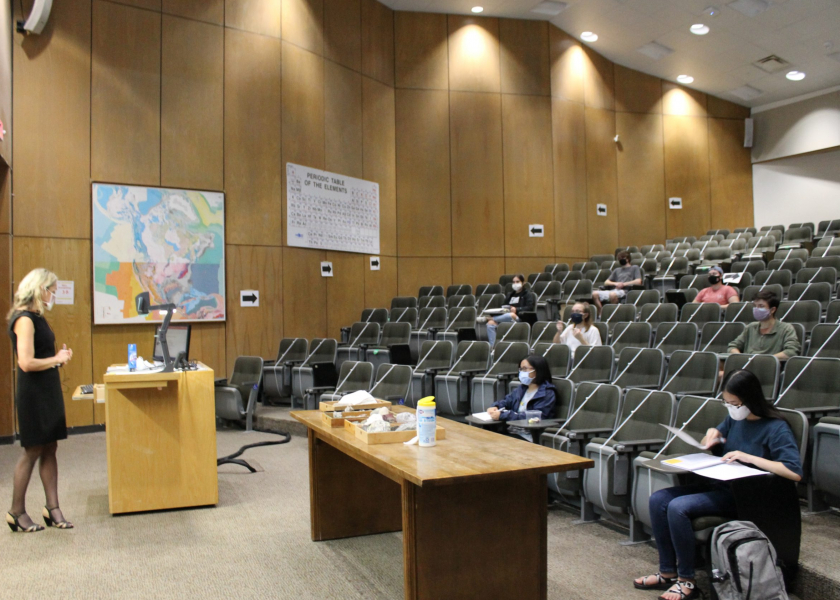
COVID-19 has turned education on its head. The Jackson School of Geosciences retooled its classrooms, labs and field classes to meet the challenges of the pandemic and continue to offer a world-class education. -
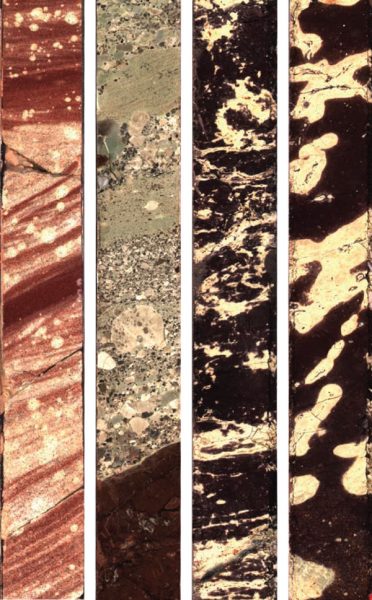
Triassic Core
A quarter-mile rock core is shedding light — and raising questions — on the turbulent events of the Late Triassic. -
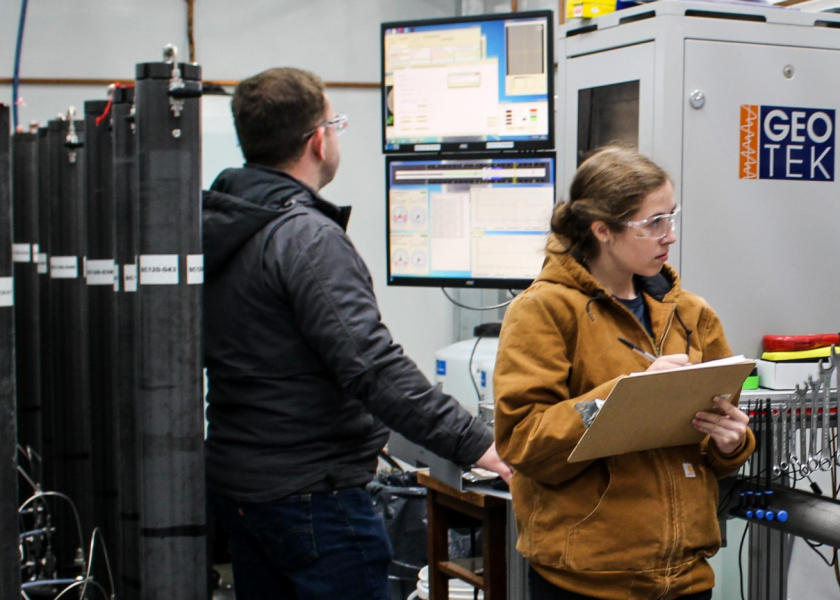
Pressure Rising
With their historic 2022 coring mission looming, scientists at the Jackson School of Geosciences are honing their tools and skills for pulling samples of methane hydrate from beneath the seafloor of the Gulf of Mexico. The volatile, energy-rich substance could be a fuel of the future.